
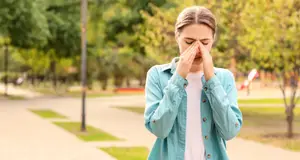
The hills of Livermore turn a vibrant green when the season shifts. While the scenery is beautiful, the air carries invisible travelers that often settle in your eyes.
This time of year brings a specific set of challenges for your vision. Pollen, grasses, and blooming trees act as irritants that trigger a defensive response from your body. When these allergens come into contact with the delicate surface of your eye, comfort quickly disappears.
When home remedies do not provide enough support, professional intervention becomes necessary. A comprehensive eye exam at Livermore Optometry Group offers a closer look.
What is Allergic Conjunctivitis?
Many people mistake the redness of seasonal allergies for a common cold or a more serious ailment. Allergic conjunctivitis occurs when the clear lining of your eye reacts to external triggers.
Unlike a viral or bacterial infection, this condition usually affects both eyes at once. You might notice your eyelids feel heavy or look slightly swollen. The sensation often mimics the feeling of having a small grain of sand trapped under your eyelid.
The Itch That Tells a Story
Itchy eyes serve as the most common hallmark of the season. Your immune system releases histamines to fight perceived threats, such as dust mites or pet dander. This chemical reaction leads to significant irritation.
While rubbing your eyes provides a momentary relief, it often makes the situation worse. Physical friction can trigger more histamine release and may cause tiny scratches on your cornea.
Red Eye vs Pink Eye
A red eye is a signal from your body that something is wrong. In our climate, it is vital to know if you are dealing with allergies or a contagious eye infection.
- Eye Allergies: These typically produce watery eyes with a thin, clear liquid and intense itching.
- Eye Infections: Pink eye often presents with a thick or sticky discharge that makes it hard to open your eyes in the morning.
If you notice pain or a change in your vision, you should seek emergency eye care immediately.
Dry Eye Disease and Allergies
Across California, the heat often leads us to rely on air conditioning. While cool air provides a reprieve from the sun, it also strips moisture from the environment. This lack of humidity can lead to dry eye disease.
When your eyes lack a healthy tear film, allergens cannot be effectively washed away. This creates a cycle in which dryness and allergies feed on one another, leaving your vision blurry and your eyes fatigued.
Strategies for Daily Comfort
You can take several steps to mitigate irritation before it becomes overwhelming. Small changes in your daily routine often yield the most significant results for your ocular health.
- Keep windows closed during high pollen counts to prevent irritants from entering your home.
- Apply a cool compress over your closed eyelids to reduce swelling and provide immediate relief.
- Use high-quality artificial tears to flush out allergens throughout the day.
- Shower before bed to remove pollen from your hair and skin so it does not settle on your pillow.
Professional Solutions for Lasting Relief at Livermore Optometry Group
For those with persistent symptoms, specialized care ensures that your vision remains clear despite the changing seasons.
Do not let seasonal allergies cloud that view or cause you daily distress. If you find yourself struggling with redness or persistent itching, book an eye exam so we can help you find relief.
Frequently Asked Questions
Can I wear contact lenses during allergy season?
Pollen often sticks to contact lens surfaces, increasing irritation. You might find relief by switching to daily disposable lenses during high-allergy months or by wearing your glasses more frequently.
Is it possible to have an eye infection and allergies at the same time?
Yes. Constantly touching or rubbing itchy eyes can introduce bacteria, leading to secondary eye infections. A professional eye exam is the only way to confirm if you are dealing with allergies, an infection, or both.
When should I seek emergency eye care for my symptoms?
If you experience sudden vision loss, intense pain, or see flashes of light, you should contact us immediately. These symptoms usually indicate issues beyond standard seasonal allergies.